
Katori, Chiba Prefecture –
A ripensarci ora, dalla scrivania su cui organizzo le foto scattate durante il viaggio, mi sembra si sia trattato di un’allucinazione. Ogni paese in cui piombavo – la sensazione era sempre di essere catapultati fuori posto – non c’era anima viva. Solo il sole, a scoraggiare la vita, e il ronzio delle cicale. Che andassi lungo la costa, in cima a una collina o per strade di campagna, non incontravo mai nessuno. I pochi passanti sembravano piazzati lì da un software per rendere la simulazione più credibile, una manciata di NPC*.
Arrivo a Sawara e non c’è nessuno, nemmeno alla stazione del treno. La finestra da cui l’impiegato delle ferrovie si affaccia a ringraziare ogni passeggero in uscita è chiusa, la tenda a lamelle abbassata. Supero i tornelli e cammino verso il fiume Tone che taglia in due il paese.
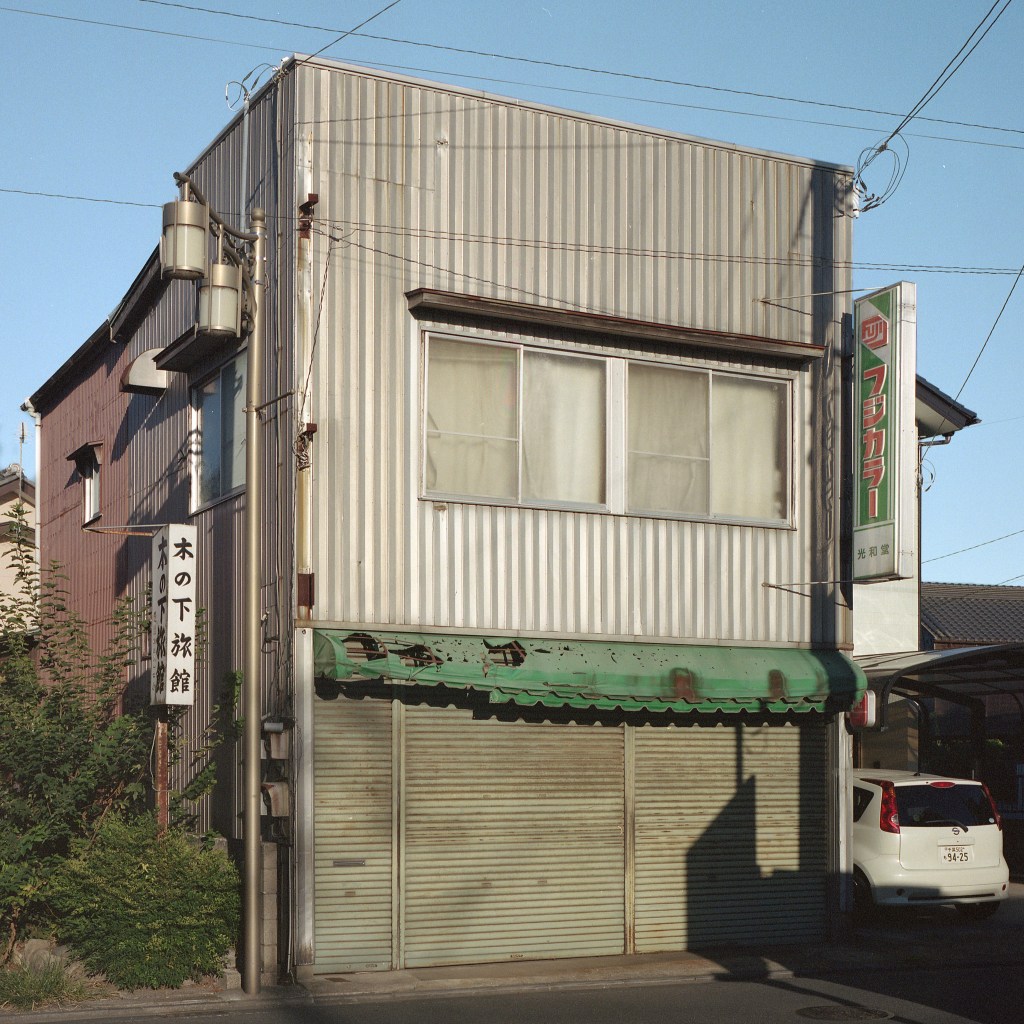
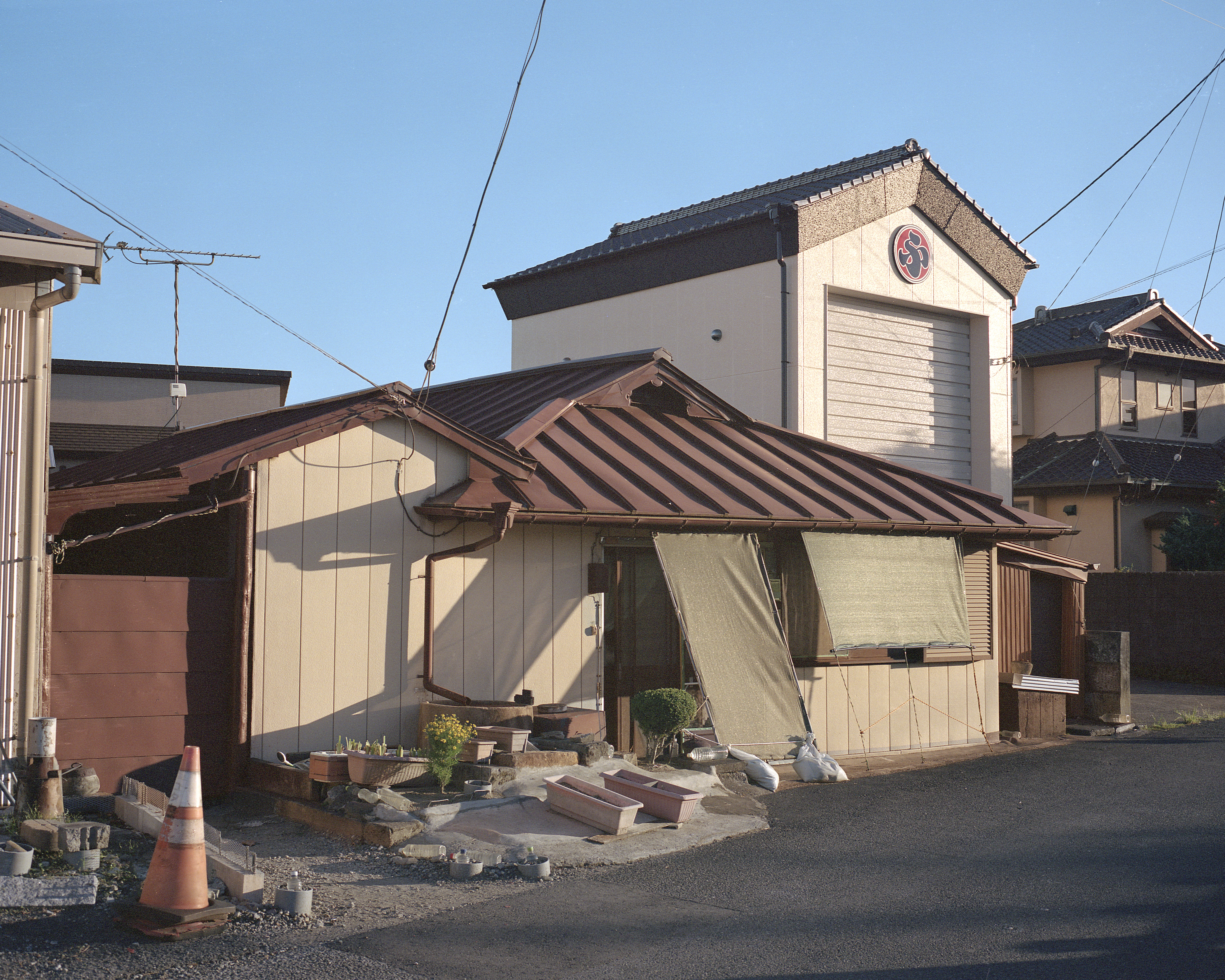
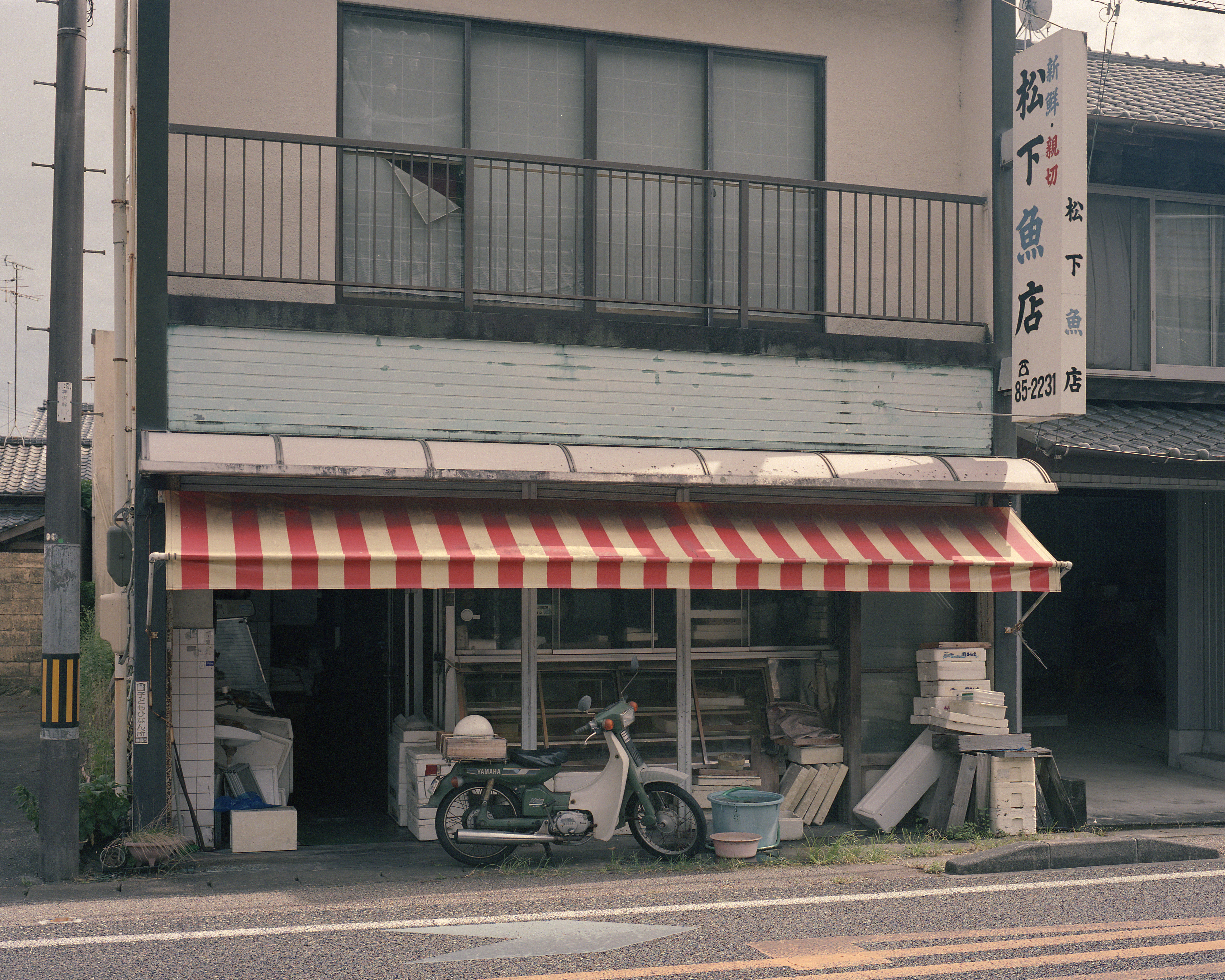
Quando scatto una foto alle case tradizionali che si susseguono lungo le sponde non c’è il rischio che qualcuno possa spuntare da dietro l’angolo rovinando la composizione. Perfetto – penso – preferisco sempre escludere le persone dall’inquadratura. Per evocare una storia dentro a un’immagine è meglio farlo con gli oggetti. Cerco ombrelli appoggiati sghembi sull’uscio di casa, auto appena lavate infilate dietro edifici fatiscenti, bottiglie di vetro accumulate per essere gettate via, vasi di fiori appena sbocciati lungo i marciapiedi. Se un corpo rimane nei paraggi e la scena attira la mia attenzione, aspetto che si giri di spalle prima di scattare. Lascio a chi guarda il compito di creare la storia.
Per molto tempo sono stato l’unico spettatore delle mie foto e l’unico a vederci delle storie. In quelle immagini proiettavo le fantasie di vite che non avevo vissuto ma servivano anche a ricordarmi dove il mio corpo, e solo il mio, era stato.
Guardando l’immagine di una casa qualunque, all’angolo di una stradina di campagna, ci vedevo dentro me, che ci giravo intorno, che la guardavo attraverso il mirino della macchina fotografica, che mi ci sedevo davanti per riposarmi dopo aver camminato per ore. Mi servivano le immagini per avere una prova tangibile di aver vissuto quel momento. Di aver vissuto in assoluto.
Poi è arrivato un pubblico e le mie foto hanno continuato ad aprire degli spazi da riempire con l’immaginazione di chi le guarda.
*NPC sta per “Non-playable characters”, ovvero “personaggi non giocabili”, e fa riferimento a quei personaggi che, nei giochi, non possono essere controllati direttamente dal giocatore, è usato come metafora per descrivere qualcuno che è percepito come privo di pensiero indipendente.
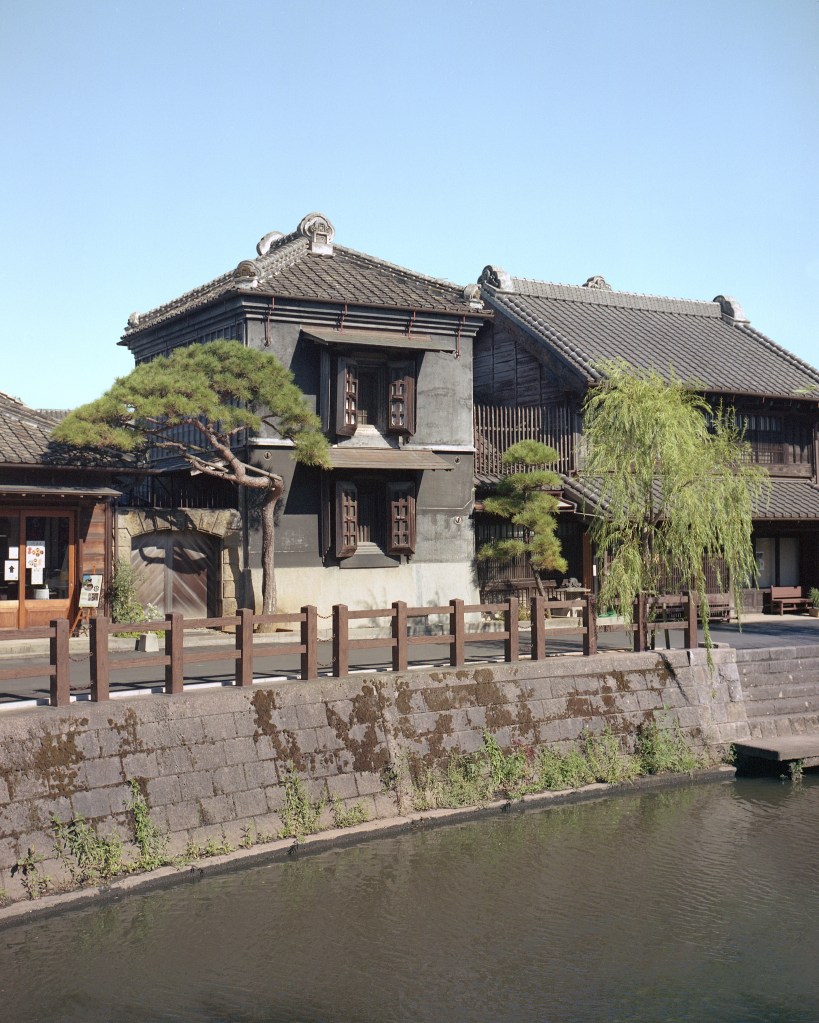
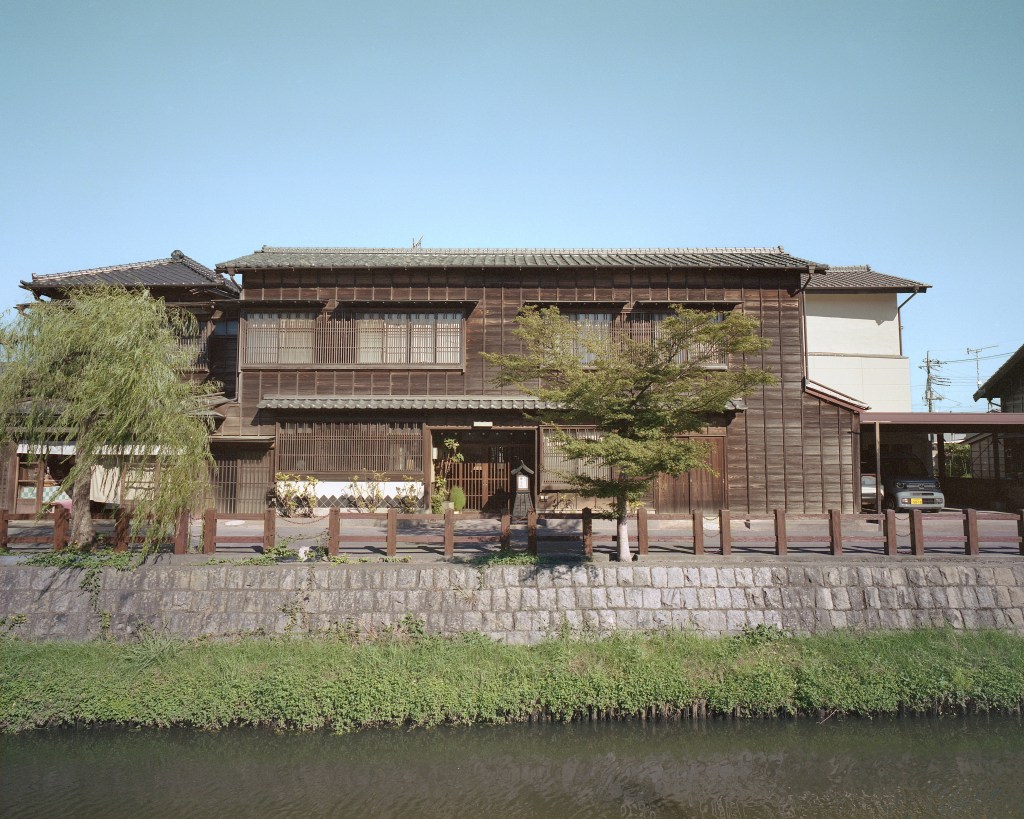
Scattare in pellicola era l’unica scelta possibile, l’immagine digitale non riesco a pensarla come una cosa vera. Il Cloud, nebuloso per definizione, è il paradiso di immagini che nascono e muoiono come ricordi. La chimica della pellicola inietta nelle fotografie una possibilità archeologica e una realtà fisica. Sono la carta carbone con cui ricalcare il presente, rimangono. La luce arriva a me, la riconosco, la accolgo e poi la fisso per sempre. Quello che c’è sul rullino non è solo una casa, una via o un paesaggio, è la vita intera, sono io vivo.
A Sawara sono vivo nonostante il caldo prepotente. Oggi Sawara è solo un quartiere della più estesa Katori, a cui è stata annessa nel 2006. Mi aggiro per il paese tormentando a ogni passo la maglietta, prima davanti e poi dietro, per staccarla dalla pelle sudata. Il fiume definisce il centro storico e commerciale di Sawara, il distretto di Suigio.
Gli edifici rimandano ad un epoca lontana, al periodo Edo quando attraverso i canali veniva spedito il riso in tutto il paese. Sono ricoperti di pannelli di cedro bruciati con il metodo tradizionale Yakisugi. Attraverso le fessure dei cancelli intravedo giardini che sembrano scenografie.
Entro in un cafè, l’unico aperto, alla ricerca di freddo siderale. Lo trovo. Quando l’elica del condizionare punta verso di me temo di perdere i sensi. Mi siedo in un tavolino all’angolo opposto.
Sul menù solo pane tostato e caffè. Attendo pochi minuti e mi viene servita una fetta di pane in cassetta alta due centimetri, perfettamente abbrustolita su entrambi i lati e morbida all’interno. Una goduria di semplicità, ha il sapore glutinoso del pane di casa. La proprietaria dopo avermi servito se ne è andata a gestire il negozio di alimentari a fianco. Se ho bisogno d’altro – ha detto – devo bussare alla vetrina dell’alimentari. Quando i vestiti bagnati di sudore sono tornati asciutti lascio i soldi sul tavolo e torno fuori, lungo il fiume.
Percorro la via fino alla fine del paese, prima verso est, poi dalla parte opposta, tornando indietro.
Il sole si abbassa veloce, devo scattare le ultime foto prima che le ombre si prendano i confini delle cose. Sento un treno avvicinarsi sul binario che segue l’ansa del fiume che esce dal paese. Tra le vie oltre l’ultimo ponte riesco a vedere fino al piazzale della stazione. Il treno ha riportato a casa lavoratori pendolari e studenti. Si allontanano in tutte la direzioni, schegge stanche che si respingono con l’ultimo avanzo di volontà.
Avvolgo il rullino fino a quando il fruscio della carta scompare e inizia a girare a vuoto. Apro lo sportello posteriore della Mamiya, faccio scattare il blocco e estraggo con pollice e indice il cilindro. lo metto in tasca, chiudo la macchina e la infilo nello zaino.
Mi sale una gioia matta dalla pancia fin su in gola. Sarà il pane, penso. O sarà che sono stato qui e in tasca, per provarlo, ho frammenti di sole impressi per sempre su cristalli d’argento.
ENGLISH VERSION
Upon rethinking it now, from the desk where I organize the photos taken during the journey, it seems to me that it was like an hallucination. Every place I landed in – the feeling was always of being catapulted out of place – there was not a living soul. Only the sun discouraging life and the buzzing of cicadas. Whether I went along the coast, on top of a hill, or through country roads, I never encountered anyone. The few passersby seemed to be placed there by software to make the simulation more believable, a handful of NPCs*.
When I arrive in Sawara, there is no one around, not even at the train station. The window from which the railway employee looks out to thank every exiting passenger is closed, the blinds lowered. I pass through the turnstiles and walk towards the river that cuts the town in two. When I take a photo of the traditional houses that line the banks, there is no risk of someone appearing from around the corner and ruining the composition. Perfect – I think – I always prefer to exclude people from the frame. To evoke a story within an image, it’s better to do it with objects. I look for umbrellas leaning crookedly on the doorstep, freshly washed cars tucked behind decaying buildings, glass bottles piling up to be thrown away, flower vases just blooming along the sidewalks. If a body remains nearby and the scene catches my attention, I wait for them to turn their back before snapping the photo. I leave it to the viewer to create the story.
For a long time, I was the only spectator of my photos and the only one to see stories in them. In those images, I projected fantasies of lives I had not lived but that also served to remind me where my body, and only mine, had been. Looking at the image of an ordinary house, at the corner of a country lane, I saw myself inside, walking around it, looking at it through the camera’s viewfinder, sitting in front of it to rest after walking for hours. I needed the images to have tangible proof of having lived that moment. Of having lived fully.Then an audience arrived, and my photos continued to open spaces to be filled with the imagination of those who look at them. Film was the only possible choice; I cannot see digital images as something real. The Cloud, nebulous in its entity, is the paradise of images that are born and die like memories. The chemistry of film injects into photographs an archaeological possibility and a physical reality. They are the carbon paper with which to trace the present; they remain.
*”NPC” stands for “Non-Player Character” and is used as a metaphor to describe someone who is perceived as lacking independent thought.
The light reaches me, I recognize it, welcome it, and then fix it forever. What’s on the roll is not just a house, a street, or a landscape; it’s life itself, it’s me alive.In Sawara, I am alive despite the overpowering heat. Today Sawara is just a neighborhood of the larger Katori, to which it was annexed in 2006. I wander through the town, tormenting my t-shirt with every step, first in front and then behind, to peel it off my sweaty skin. The river defines the historic and commercial center of Sawara, the Suigio district. The buildings harken back to a distant era, the Edo period when rice was shipped through the canals across the country. They are covered with cedar panels burned with the traditional Yakisugi method. Through the cracks in the gates, I glimpse gardens that look like stage sets. I enter a cafe, the only one open, in search of icy cold. I find it. When the air conditioner’s blade points towards me, I fear losing consciousness. I sit at a table in the opposite corner.
The menu offers only toasted bread and coffee. After a few minutes, I am served a two-centimeter-high slice of sandwich bread, perfectly toasted on both sides and soft inside. A delight of simplicity, it has the glutinous taste of home-baked bread. After serving me, the owner goes to manage the grocery store next door. If I need anything else, she said, I have to knock on the grocery store’s window. When my sweat-drenched clothes have dried, I leave the money on the table and head back outside, along the river. I walk down the street to the end of the town, first east, then the opposite way, coming back.
The sun sets quickly; I must take the last photos before the shadows engulf the boundaries of things. I hear a train approaching on the track that follows the river bend out of town. Between the streets beyond the last bridge, I can see all the way to the station square. The train has brought back home commuters and students. They disperse in all directions, tired shards pushing against each other with the last remnants of will. I wind the roll until the rustling of the paper disappears and starts spinning freely. I open the back door of the Mamiya, release the lock, and extract the cylinder using two fingers. I put it in my pocket, close the camera, and put it in my backpack. A crazy joy rises from my stomach to my throat. Maybe it’s the bread, I think. Or maybe it’s because I’ve been here, and in my pocket, to try it, I have fragments of sunlight forever imprinted on silver crystals.
 Nipponia Magazine