
Atami, Shizuoka Prefecture –
Arrivai ad Atami senza saperne molto.
Avevo sentito parlare di Atami solo come una meta turistica un po’ trascurata, ma il fascino decadente di un tempo passato mi incuriosiva. A parte quello non ne avevo mai sentito parlare.
Una volta tornato ho continuato a imbattermi nel nome di quella città. Nei romanzi che leggevo, navigando in rete o facendo conversazione con altri viaggiatori.
Quando accadeva sentivo crescere la consapevolezza che del Giappone, che ho visitato molte – per alcuni troppe – volte, non sapevo poi granché. O almeno, non quanto avrei voluto. Quando mi capita di leggere di un posto che ho visitato e scopro cose che non conoscevo penso che dovrei tornarci. Subito dopo penso di non essere un buon esploratore. Atami è uno dei casi in cui continuo a chiedermi se ho sottovalutato quello che aveva da offrire.
Arrivai da Tokyo, con un treno partito all’alba dalla stazione di Shinagawa. Dai finestrini del treno si poteva vedere il sole sorgere. Era del colore del fuoco, e tutto il cielo attorno ne prendeva la tonalità accesa. Capii perché la bandiera del paese disegnasse il sole di quel rosso.
Arrivai alla stazione e presi un taxi per raggiungere l’hotel, un vecchio edificio al limitare della zona commerciale. La città era famosa per le sorgenti termali già nell’VIII secolo e godette di considerevole notorietà fino agli anni novanta del XXI secolo, quando lo scoppio della crisi economica ne determinò il declino.
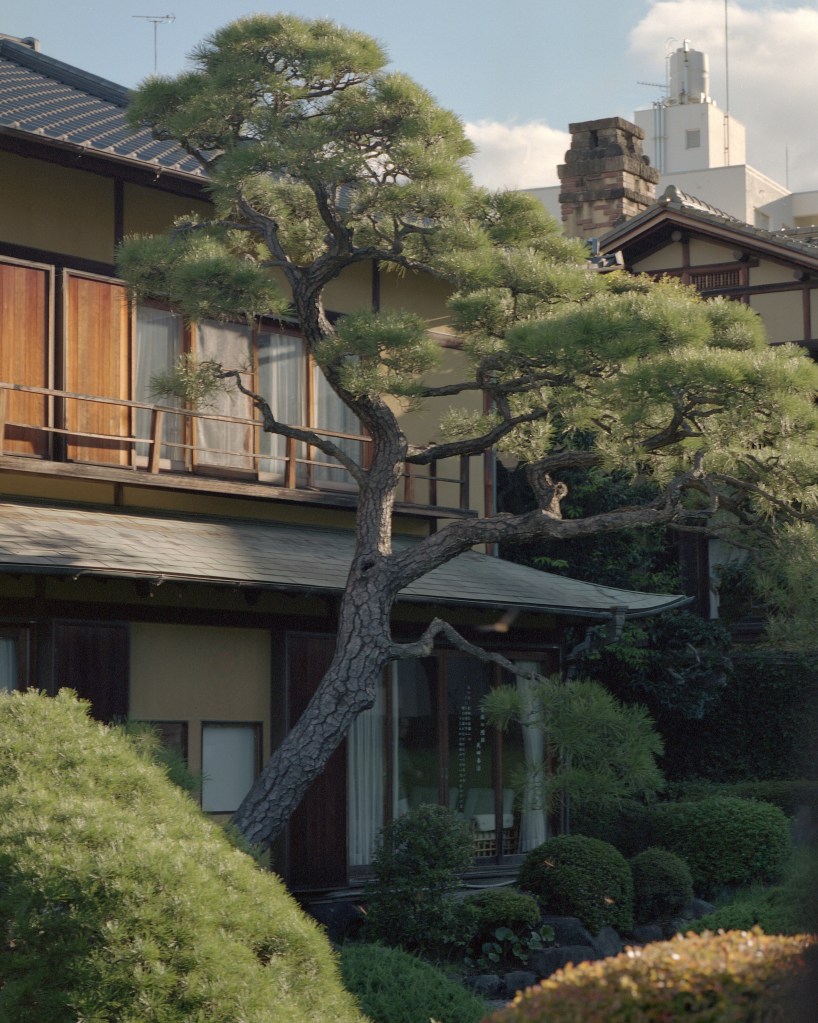
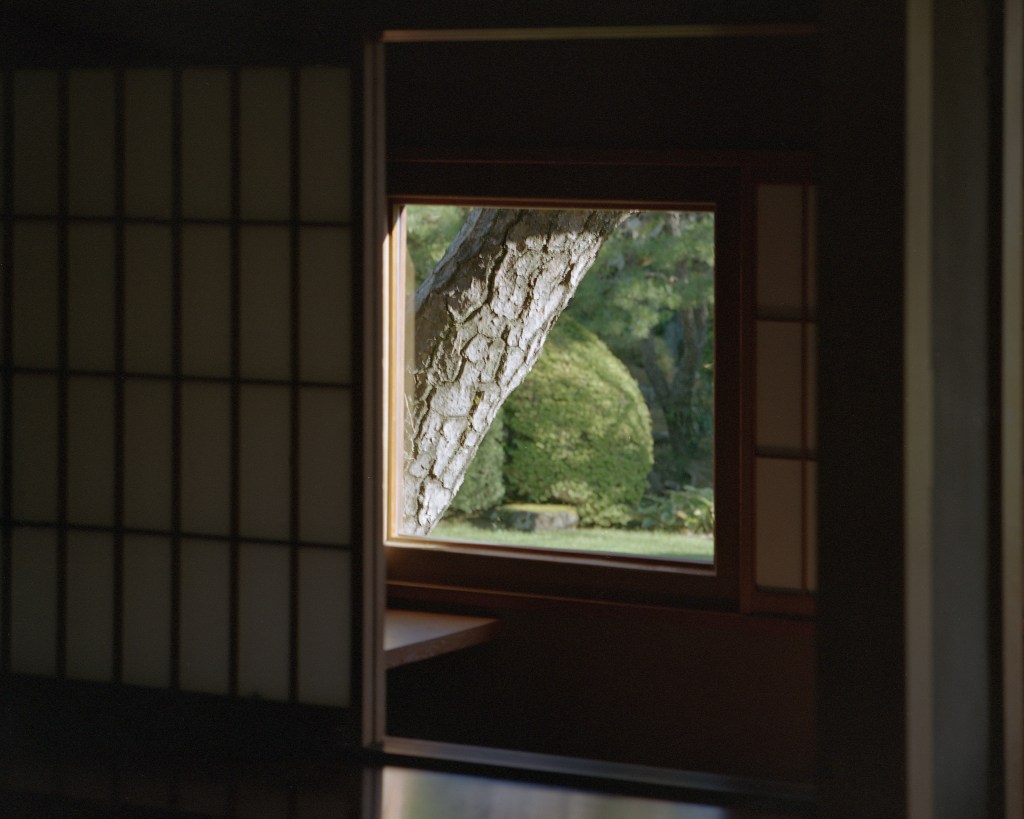
Attraversai la hall dell’hotel, rivestita di moquette arancione con disegni di foglie e fiori di vari colori. Il soffitto era ricoperto di piccoli cilindri trasparenti da cui filtrava una morbida luce gialla. In fondo alla sala un’enorme vetrata si apriva sul giardino. Sbrigati i lunghi cerimoniali di benvenuto mi diressi verso la mia stanza. Il corridoio che conduceva agli ascensori disegnava un percorso a esse e si intrecciava con un corso d’acqua. Pensai che doveva venire dal giardino. Osservai le carpe che immobili si accalcavano nell’ansa che curvava davanti al distributore automatico di bibite. La luce al neon filtrata dalle riproduzioni delle bottiglie colorate sembrava ipnotizzare i pesci. Ogni dettaglio di quel posto era estremamente curato ma sembrava fuori dal tempo. Anche l’ascensore lo era. Premetti il pulsante del sesto piano fino a far sparire la prima falange. Niente in quel posto era stato aggiornato all’epoca digitale. Tutto era rimasto meccanico e analogico.
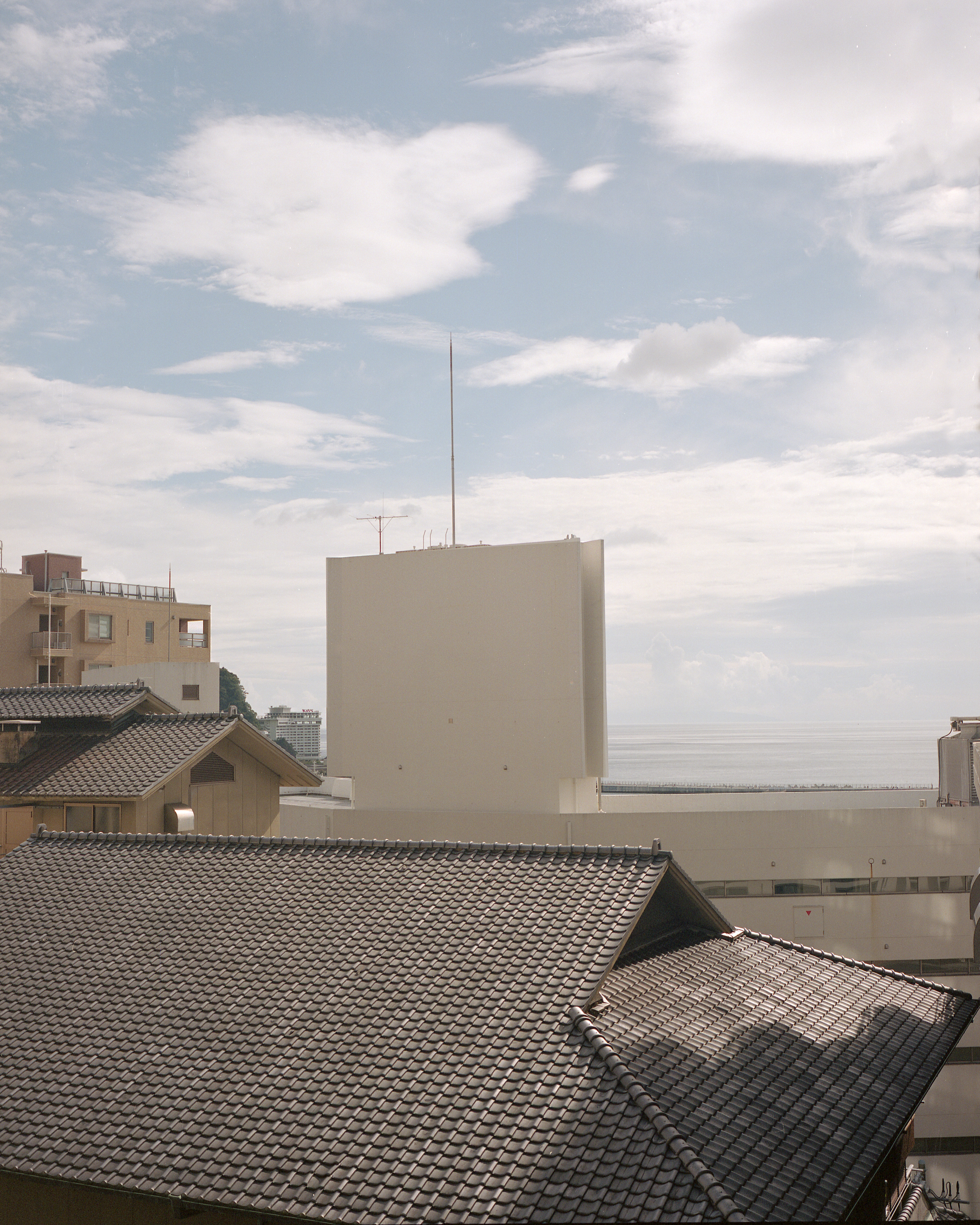
Girai la chiave della camera con un pò di fatica, il contrappeso dell’enorme portachiavi rendeva difficile maneggiarla. La stanza era tutto quello che avevo sperato. Una tipica stanza in stile giapponese. L’hotel era stato costruito negli anni trenta, forse rinnovato negli anni ottanta, ma di sicuro non in anni recenti. Una volta entrato sentii il caldo odore dei tatami e del legno inondarmi le narici. Guardai il telefono sul tavolino. Oltre alla rotella coi numeri aveva un pulsante rosso e uno bianco con una piccola etichetta a lato che indicava, in lettere katakana, quale premere per chiamare la reception e il servizio in camera. Sorrisi mentre scandagliavo la stanza: aprii tutte le ante dei mobili contenitori a muro, entrai nel vano con il Toto e le solite ciabattine di plastica rosa – numero 36, poi fu la volta della stanza da bagno con la doccia e una piccola vasca quadrata – tutto rivestito di piastrelle beige, e in ultimo uscii nel terrazzo affacciato sul golfo.
Sorrisi ancora di più mentre prendevo la macchina fotografica e uscivo in strada pronto ad esplorare. Il solo pensiero che mi sarei rifugiato in quella stanza la sera, dopo la spedizione a caccia di stupore, mi dava una sensazione di piacere fisico. Un piccolo brivido mi scese lungo la schiena quando attraversai la hall e uscii nel caldo opprimente di fine agosto.
Mi incamminai senza meta lungo il marciapiede della strada principale. Dopo pochi minuti cambiai direzione e mi infilai in una stradina secondaria. Una fila di persone entrava ordinata in un portale di legno. Mi fermai in prossimità dell’ingresso, l’insegna indicava il nome Kiunkaku. Entrai senza esitare, senza sapere cosa aspettarmi. Pagai il biglietto all’ingresso e mi tolsi le scarpe, che lasciai su un ripiano. Kiunkaku é una villa tra le più famose della città, costruita negli anni venti del novecento e modificata dai proprietari fino a farla diventare come è oggi, una fusione di stili architettonici che integrano il tipico gusto giapponese con influenze cinesi, indiane oltre che con lo stile decorativo dell’art nouveau europea.
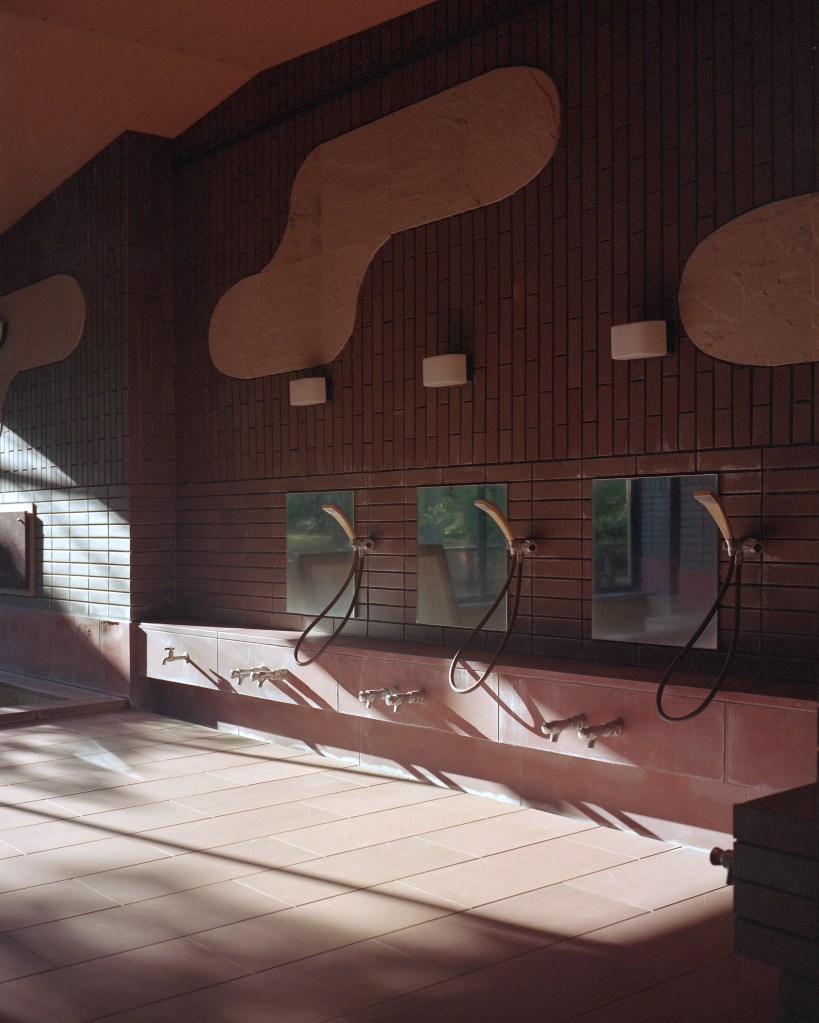
Le sale in stile giapponese avevano muri dipinti di colori primari, una rossa, l’altra blu e una terza di un giallo sbiadito. Le sale da bagno, con vasche incassate a terra di diverse dimensioni, furono costruite su ispirazione dei bagni delle ville romane. Scattai qualche fotografia, con un pò di imbarazzo cercai di non dare troppo nell’occhio, come fossi a casa di qualcuno e stessi fotografando senza permesso gli spazi privati dell’ospite. Mi chiesi che vita conducessero le persone che vi avevano abitato. Sulla parete di una delle stanze erano affisse delle foto in bianco e nero che ritraevano uomini di diverse età. Non riuscivo a leggere le didascalie ma riconobbi uno dei volti. L’avevo visto stampato sul retro di un piccolo libro che avevo letto poco prima di partire. Era Osamu Dazai. Dovevano essere i ritratti di personaggi celebri che avevano soggiornato nella villa. Pensai che forse Osamu aveva scritto lì alcune pagine de “Lo squalificato” che avevo appena letto.

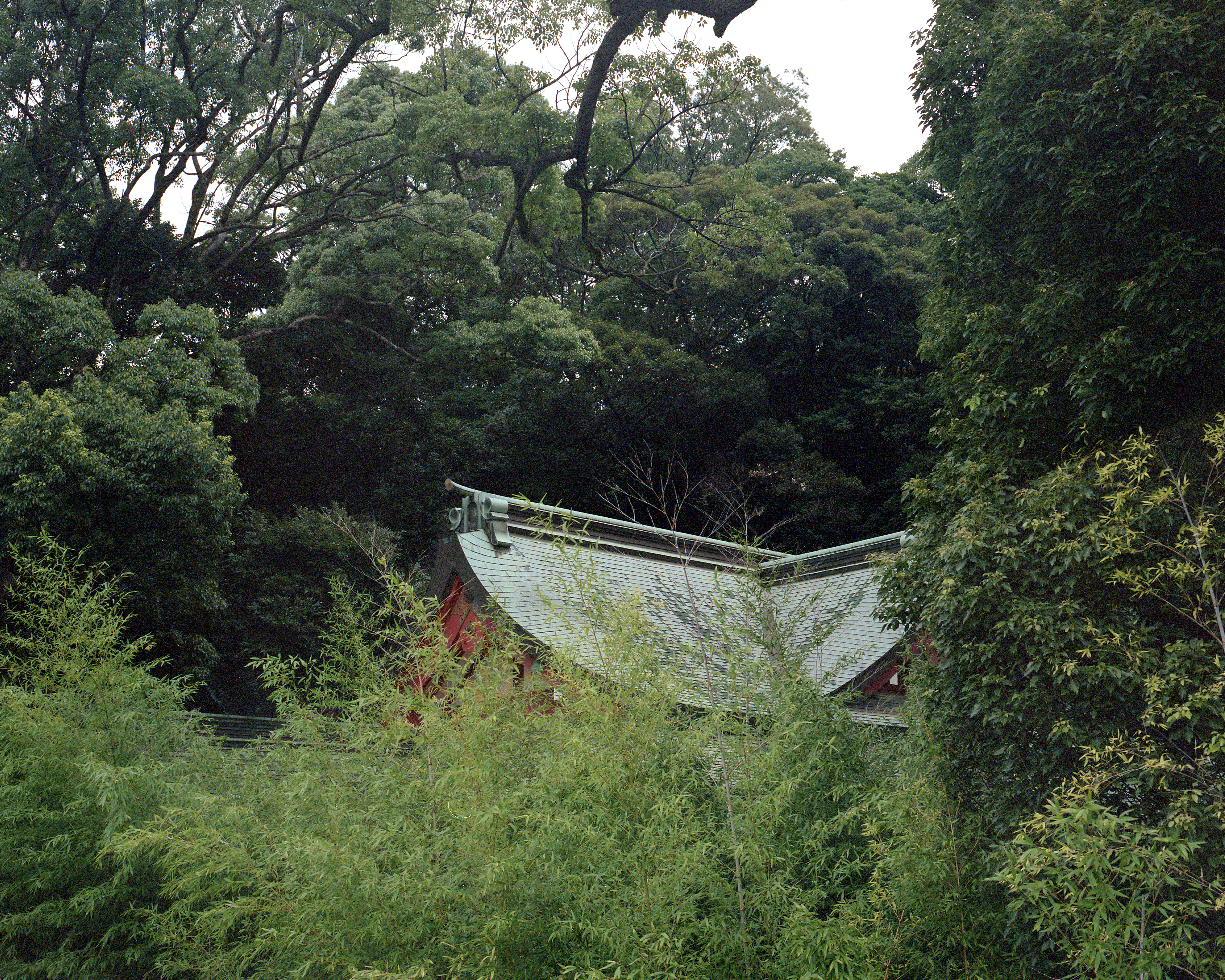
Uscii sorridendo dalla villa in direzione delle montagne. Giunsi in un tempio, segnalato da vari cartelli affissi lungo il tragitto, chiamato Kinomiya. Qui vengono venerati un vecchio albero di canfora e la divinità che lo ospita da più di duemila anni.
Camminai attorno all’albero, chiamato Ookusu, cercando di stabilirne la circonferenza. Dovevano essere almeno venti passi. Una stretta scalinata di legno portava ad una passerella rialzata che permetteva di osservare la pianta dall’alto. Salii. Davanti a me una coppia si stava scattando una fotografia. Non appena mi videro si affrettarono a lasciarmi il posto. Mi avvicinai al bordo della passerella per osservare la chioma. “Un albero con un nome – pensai – Ookusu” sorrisi. Prima di tornare sui miei passi notai al centro della passerella un piedistallo. Sulla cima si trovava un supporto di legno, pensato per appoggiare il telefono e scattare una foto ricordo.
Poggiai lo smartphone e cliccai sul timer. Dieci secondi.
Indietreggiai fino al limite. Sette secondi.
Allungai il braccio verso l’obiettivo, il palmo rivolto verso di me e le dita chiuse. Cinque.
Sollevai il dito indice e il pollice e feci toccare i polpastrelli. Tre.
Inspirai l’aria umida col naso e la buttai fuori dalla bocca sorridendo. Due.
Ookusu dietro di me. Uno.
Nella foto ho la maglietta sudata appiccicata al corpo, dal marsupio spuntano, come armi dalla cintura di un guerriero, una bottiglia d’acqua e l’ombrello. Le dita della mano che tendo in avanti non sembrano disegnare un cuore e il sorriso sulle mie labbra sta per sgonfiarsi o forse deve ancora montare.
ENGLISH VERSION
I arrived in Atami without knowing much about it.
I’d only ever heard of Atami as a slightly neglected tourist destination, but I was intrigued by the faded charm of its past. Aside from that, I had little information.
Once back, though, I kept encountering the name of that city—in novels I was reading, while browsing the internet, or chatting with other travelers.
Each time, I felt an increasing awareness that of Japan—a country I’ve visited many (some might say too many) times—I actually knew very little, or at least, far less than I’d like. When I read about a place I’ve visited and discover things I didn’t know, I think I should go back. But right after, I start feeling like I’m not much of an explorer. Atami is one of those cases where I keep wondering if I underestimated what it had to offer.
I arrived from Tokyo on an early-morning train from Shinagawa Station. Through the train windows, you could see the sun rising, the color of fire, turning the entire sky around it a vivid shade. I understood why the country’s flag depicted the sun in that red.
I arrived at the station and took a taxi to reach the hotel, an old building on the edge of the shopping area. The city had been famous for its hot springs since the 8th century and had enjoyed considerable popularity until the 1990s, when the economic crisis sparked its decline.
I crossed the hotel lobby, carpeted in orange with patterns of leaves and flowers in various colors. The ceiling was covered with small transparent cylinders that filtered a warm yellow light. At the end of the hall, a huge window opened onto the garden. After completing the long welcoming ceremonies, I made my way to my room. The corridor leading to the elevators wound back and forth, intertwined with a stream. I assumed it came from the garden. I watched the carp, which were motionless, clustered in a bend just in front of a vending machine. The neon light, filtered through the colorful bottle replicas, seemed to hypnotize the fish. Every detail in that place was carefully curated but seemed timeless. The elevator was no exception. I pressed the button for the sixth floor until I nearly buried the first knuckle of my finger. Nothing in that place had been updated to the digital age; everything remained mechanical and analog. I turned the key in the door with some difficulty, as the oversized keyring made it hard to handle. The room was everything I had hoped for—a typical Japanese-style room. The hotel was built in the 1930s, possibly renovated in the 1980s, but certainly not recently. Once inside, the warm smell of tatami and wood filled my senses. I looked at the telephone on the table, which, besides the rotary dial, had a red button and a white one, each with a small label in katakana indicating which one to press for reception or room service. I smiled while I examined the room, opening all the doors of the built-in storage cabinets, stepping into the space with the Toto toilet and the usual pair of small pink plastic slippers (size 36). Then I checked out the bathroom, complete with a shower and a small square tub—all lined in beige tiles—and finally stepped out onto the terrace overlooking the bay. I smiled even more as I picked up my camera and went outside, ready to explore. Just knowing I would retreat to that room after a day spent searching for new sights gave me a feeling of physical pleasure. A slight thrill ran down my spine as I crossed the lobby and stepped out into the oppressive heat of late August.
I wandered aimlessly along the sidewalk of the main street. After a few minutes, I changed direction and slipped into a side street. A line of people was entering a wooden gate in an orderly fashion. I stopped near the entrance, where a sign indicated the name “Kiunkaku.” I entered without hesitation, not knowing what to expect. I paid the entrance fee and removed my shoes, leaving them on a shelf. Kiunkaku was one of the city’s most famous villas, built in the 1920s and modified by its owners until it became what it is today—a fusion of architectural styles integrating traditional Japanese taste with Chinese and Indian influences, as well as European Art Nouveau.
The Japanese-style rooms had walls painted in primary colors—one red, another blue, and a third in faded yellow. The bathrooms, with sunken tubs of various sizes, were inspired by the baths of Roman villas. I took a few photos, feeling slightly self-conscious and trying not to draw attention, as though I were in someone’s home and secretly photographing the private spaces of the host. I wondered what lives the people who lived here must have led. On the wall of one room, there were black-and-white photos of men of different ages. I couldn’t read the captions but recognized one of the faces. I’d seen it printed on the back of a small book I’d read just before leaving. It was Osamu Dazai. These must have been portraits of famous figures who had stayed at the villa. I thought that perhaps he’d written some of the pages of No Longer Human there, which I had just read. I left the villa smiling, heading toward the mountains. I arrived at a temple, marked by signs posted along the way, called Kinomiya. Here, an old camphor tree and the deity residing within it, for over two thousand years, are venerated.
I walked around the tree, called Ookusu, trying to measure its circumference. It had to be at least twenty paces. A narrow wooden staircase led up to an elevated walkway that allowed you to observe the tree from above. I climbed. In front of me, a couple was taking a photo. As soon as they noticed me, they quickly moved to make room. I approached the edge to observe the branches. “A tree with a name,” I thought—Ookusu. I smiled. Before retracing my steps, I noticed a stand in the center of the walkway. On top was a wooden holder, clearly intended for resting one’s phone if you wanted to capture the moment with a self-timed photo.
I placed my smartphone on it and pressed the timer. Ten seconds.
I stepped back to the edge. Seven seconds.
I extended my arm toward the camera, palm facing me, fingers clenched. Five.
I raised my index finger and thumb, pressing their tips together. Three.
I inhaled the humid air through my nose and exhaled through my mouth, smiling. Two.
Ookusu behind me. One.
In the photo, my shirt is soaked with sweat and clinging to my body. A water bottle and umbrella stick out of my waist bag like weapons in a warrior’s belt. The fingers of the hand I’m holding up don’t quite form a heart, and the smile on my lips is either just about to fade or hasn’t quite set in yet.
 Nipponia Magazine