
da qualche parte in Giappone –
OCCHI NERI
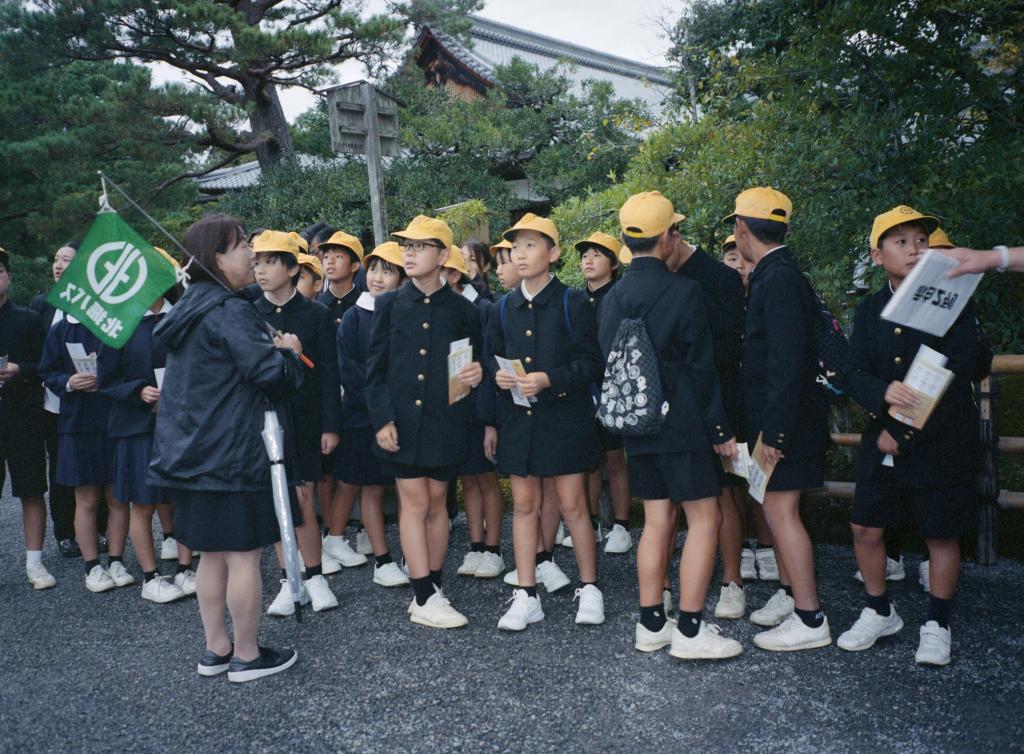
Ad ogni passo Tengu sentiva il ventre farsi più rigido. Come se qualcosa spingesse da dentro e il suo stomaco cercasse di opporre resistenza. La muscolatura tesa, che serrava i ranghi per evitare che qualsiasi cosa cercasse di farsi strada ci riuscisse, aprendogli la pancia in due. Aveva percorso metà della distanza tra la scuola e casa quando dovette fermarsi per prendere fiato. Si guardò intorno, ma non riuscì a mettere a fuoco l’orizzonte, la vista era diluita dal sudore rappreso sulle ciglia, che pesavano sulle pupille. Allungò le braccia verso l’alto, inarcò la schiena all’indietro e distese il più possibile la pancia.
Durante l’intervallo, quella mattina, Kuno l’aveva accusato di aver spinto Miki a terra, provocando, oltre al suo pianto disperato, l’incastonarsi di un sassolino nel ginocchio della malcapitata. Quale fosse il motivo di quell’accusa, Tengu non era riuscito a spiegarselo.
A seguito dell’incidente, quando Miki era stata portata in infermeria, Tengu aveva dovuto subire l’interrogatorio della preside; poi due ore di matematica; aveva servito il pranzo in mensa; era rimasto in silenzio a fissare il libro durante il laboratorio di lettura e aveva tenuto la testa bassa all’uscita da scuola.
Kuno poteva avercela con lui? Per quale motivo? Quando la maestra aveva chiesto chi fosse stato a spingerla, Miki era in lacrime nel mezzo del cortile, le gambe piegate all’indietro, e il terriccio creava sulla gonna blu una sfumatura rossa.
Ripensò al dito puntato di Kuno, in piedi davanti a lui, le orbite umide, i denti gialli. Con la gola tirata aveva sentenziato: «È stato Tengu, l’ho visto!»
A quell’accusa Tengu non era riuscito a rispondere. Lo sguardo di rimprovero della maestra lo rendeva muto e immobile. Da quel momento l’unica reazione l’ebbe il suo stomaco. Dapprima prese a contorcersi e a protestare rumorosamente. Poi iniziò a irrigidirsi, costringendo Tengu a piegare il corpo in avanti e a guardare in basso. Mentre si avvicinava a casa, cercò di immaginare come avrebbero reagito i suoi genitori.
Non era mai stato messo in punizione, nemmeno sgridato per nulla, e non riusciva a pensare a cosa sarebbe successo.
Quando la statale curvò verso la collina, Tengu imboccò la strada sterrata che deviava verso le risaie e portava a casa sua. Con le braccia tese lungo i fianchi strappava i fusti delle erbacce che gli sfioravano le mani. Senza fermarsi, chiudeva di scatto le dita e tirava con un colpo secco.
Perché Kuno lo aveva accusato? Non giocava mai con lui, non si parlavano nemmeno, pensò.
Un rospo saltò in mezzo alla strada e atterrò davanti a Tengu che, senza esitazione, lo calciò via. Il tonfo nell’acqua ruppe il silenzio della risaia, che prese a mormorare di gracidii. Il cielo a est era ormai quello della sera. Tengu guardò casa sua, illuminata dall’ultimo lampione del sentiero, ormai abbastanza vicina da riuscire a sentire la televisione che sua madre teneva sempre accesa.
Si voltò indietro e vide la sua ombra allungata che spariva nel buio. I culmi del riso tratteggiavano linee nere sugli specchi d’acqua che riflettevano la poca luce rimasta in cielo. Quando riportò gli occhi davanti a sé, un corvo gli bloccava il passaggio. Stava immobile, il collo piegato all’insù e un occhio puntato verso di lui.
Senza pensarci, Tengu fece oscillare la gamba all’indietro e poi in avanti per calciare via l’uccello, ma quello non si mosse.
Strano, pensò. Forse il buio gli aveva fatto confondere le distanze. Così, certo stavolta di essere abbastanza vicino, ripeté il gesto col piede sinistro.
Di nuovo l’animale rimase immobile e Tengu dovette sforzarsi di non perdere l’equilibrio per lo slancio che ci aveva messo. Quando si piegò in avanti per evitare di cadere, notò nell’occhio del corvo il buio assoluto e gli sembrò di caderci dentro.
«Levati!» disse ad alta voce, e l’uccello fece un salto di lato lasciando libero il passaggio.
Con gli occhi incastrati in quelli del corvo, Tengu pensò agli occhi neri e bagnati di rabbia di Kuno.
ENGLISH VERSION
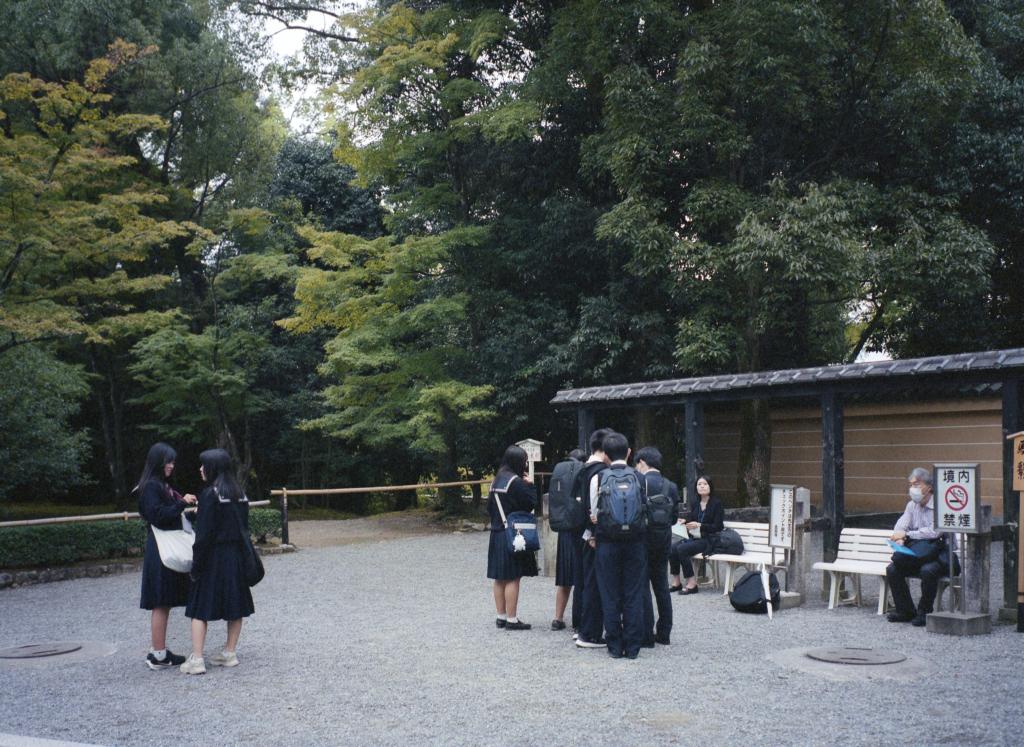
At every step, Tengu felt his belly growing tighter. As if something were pushing from inside while his stomach struggled to resist. His muscles were taut, holding the line to keep whatever was trying to force its way out from succeeding, from splitting his stomach open. He had covered half the distance between the school and home when he had to stop to catch his breath. He looked around, but he could not bring the horizon into focus; his vision was blurred by the dried sweat clinging to his eyelashes, weighing down on his eyes. He stretched his arms upward, arched his back, and pushed his stomach out as far as he could.
During recess that morning, Kuno had accused him of pushing Miki to the ground, causing not only her desperate sobbing but also a small stone to become embedded in the unfortunate girl’s knee. Tengu could not understand why he had made such an accusation.
After the incident, once Miki had been taken to the infirmary, Tengu had endured the principal’s interrogation; then two hours of mathematics; he had served lunch in the cafeteria; he had sat in silence staring at his book during reading workshop and kept his head lowered when school ended.
Could Kuno have something against him? But why? When the teacher had asked who pushed her, Miki had been crying in the middle of the courtyard, her legs bent awkwardly beneath her, while dirt stained her blue skirt with a reddish hue.
He thought back to Kuno’s pointed finger, standing before him with wet eye sockets and yellow teeth. In a strained voice he had declared, “It was Tengu, I saw him!”
Tengu had been unable to answer the accusation. The teacher’s reproachful stare had rendered him mute and motionless. From that moment on, the only reaction came from his stomach. At first it began twisting and grumbling loudly. Then it stiffened, forcing Tengu to bend forward and stare at the ground. As he drew closer to home, he tried to imagine how his parents would react.
He had never been punished before, not even scolded for anything, and he could not imagine what would happen.
When the highway curved toward the hill, Tengu took the dirt road that branched off toward the rice paddies and led to his house. With his arms hanging stiffly at his sides, he tore at the stalks of weeds brushing against his hands. Without stopping, he snapped his fingers shut around them and yanked with a sharp tug.
Why had Kuno accused him? He never even played with him. They barely spoke, he thought.
A toad leapt into the middle of the road and landed in front of Tengu, who, without hesitation, kicked it away. The splash in the water shattered the silence of the rice field, which immediately began murmuring with croaks. The sky in the east had already taken on the colors of evening. Tengu looked toward his house, lit by the last streetlamp on the path, now close enough that he could hear the television his mother always kept on.
He turned around and saw his elongated shadow disappearing into the darkness. The rice stalks sketched black lines across the mirrors of water reflecting the last faint light left in the sky. When he looked ahead again, a crow was blocking his path. It stood perfectly still, its neck tilted upward and one eye fixed on him.
Without thinking, Tengu swung his leg back and then forward to kick the bird away, but it did not move.
Strange, he thought. Maybe the darkness had distorted the distance. So, now certain he was close enough, he repeated the motion with his left foot.
Again the animal remained motionless, and Tengu had to struggle not to lose his balance from the force he had put into the kick. As he bent forward to keep from falling, he noticed absolute darkness inside the crow’s eye, and it seemed to him as though he were falling into it.
“Move!” he shouted, and the bird hopped to the side, leaving the path clear.
His eyes locked with the crow’s, Tengu thought of Kuno’s black eyes, wet with anger.

